
Legal technology for practitioners and researchers
Legal research, built on the record.
We build research tools for patent practitioners, legal scholars and institutions. Each tool turns legal text into structured records, shows the source behind every result, and leaves the judgment to you.
From our two showcases
- Patent abstracts searched on every revision
- 7,916,854
- Jurists, thinkers and rulers in the atlas
- 705
- States mapped across fourteen centuries
- 430
- Legal acts, from treatises to codes
- 266
What we do
Structured data from legal text, with every source in view.
Structure the text
We turn patents, scholarship and historical sources into records that a machine can search and a person can audit.
Keep the source attached
Every record points back to where it came from, so a finding can be checked rather than taken on trust.
Leave the judgment to people
Our tools surface evidence and state their limits. The practitioner decides what it means.
Who builds this
Built by a patent attorney and a machine learning engineer.
Our founder, Mohammad Soltan, is admitted to the Maryland bar, is registered to practice before the United States Patent and Trademark Office, also works as an engineer, and has built legal technology at a law firm and a legal research database for Harvard Law School's Program in Islamic Law. Our machine learning engineer, Nabiha Naqvie, builds retrieval and evaluation pipelines over tens of millions of documents.
Meet the teamShowcases
Two projects, shown as they stand.
Each showcase is a working view of a project in progress, with its method and limits stated alongside it.
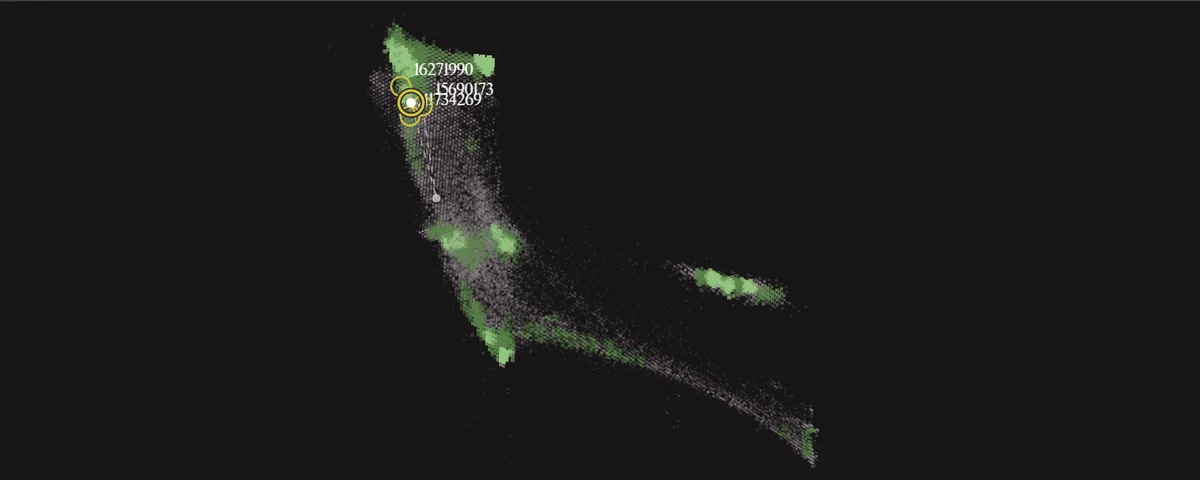
Patent research
PatentTalk and Patent Universe
An interview console that retrieves prior art from 7,916,854 patent abstracts while an invention disclosure takes shape, and a 3D map that places those results within the corpus.
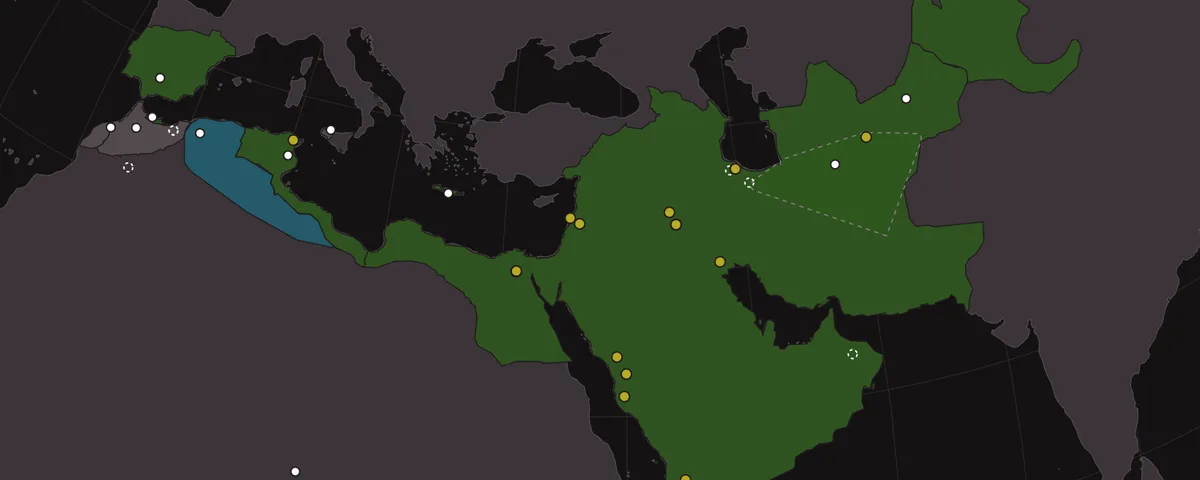
Legal history
Islamic Law Through the Ages
An interactive atlas of jurists, schools of law and Muslim-ruled polities from 622 to the present, with each record tied to its sources.
Contact
Working on a legal data problem?
We would like to hear from practitioners, researchers and institutions. Tell us what you are working on.